For the past decade, the retail industry has been told the same story on repeat: physical stores are on their way out, and it is only a matter of time before Amazon, Alibaba, and other online giants take over completely. Shopfronts would close, shopping strips would empty, and the future of retail would belong entirely to the internet.
That story has not played out the way it was predicted. Bricks and mortar stores are still here, and in many cases they are doing better than the doom and gloom headlines suggested. Shoppers still walk into stores every day, physical retail sales still make up the majority of total retail spending in most countries, and store owners who adapted their operations are finding new ways to compete rather than simply being pushed aside.
This does not mean nothing has changed. Retail has changed a great deal, and the stores that are thriving today look different from the ones that existed twenty years ago. But the change has been about evolution, not extinction.
The “Death of Retail” Prediction That Never Fully Came True
Every few years, a new wave of headlines announces that physical retail is finished. Online marketplaces grow fast, a handful of well known store chains close locations, and it becomes easy to assume that the whole sector is shrinking. In reality, closures tend to be concentrated among retailers who were already struggling with outdated store formats, poor customer experience, or business models that had not kept pace with what shoppers wanted.
At the same time, plenty of brands have opened new physical locations, expanded existing stores, or grown a healthy mix of online and in person sales. Shoppers still value being able to see, touch, and try products before buying them, and many prefer to get their purchase immediately rather than waiting days for delivery. Physical stores also give retailers something an online listing cannot fully replace: a place to build relationships, offer personal service, and create an experience shoppers actually want to return to.
Why Shoppers Still Walk Through the Door
There are a few clear reasons bricks and mortar retail has held its ground.
Instant gratification. Buying something in a store means walking out with it the same day. No waiting for a courier, no tracking a parcel, no risk of it arriving damaged or late.
Trying before buying. Clothing, footwear, furniture, and countless other categories rely on shoppers being able to feel materials, check sizing, or see how something looks in person.
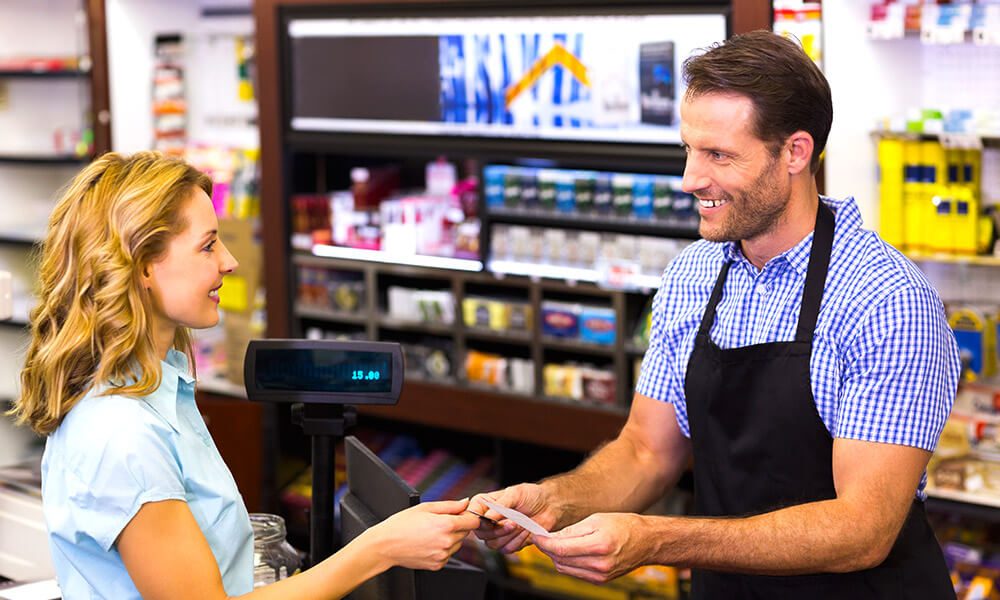
Personal service. A knowledgeable staff member who can answer questions, recommend products, or solve a problem on the spot builds trust that a website chatbot struggles to match.
Local connection. Community based retailers, from independent boutiques to specialty stores, often build loyal customer bases through repeat visits and a genuine relationship with the people behind the counter.
None of these advantages disappear just because online shopping exists. They simply mean physical retailers need to lean into what makes an in person visit worthwhile.
Technology Is Helping Physical Retail, Not Replacing It
One of the biggest shifts in retail has not been the move away from physical stores, but the way technology now supports them. A modern retail shop software platform lets a store owner manage sales, stock, and customers from one place instead of juggling separate spreadsheets, paper records, and disconnected systems.
A well built cloud based POS system gives store staff the tools to process sales quickly, check stock levels in real time, and access customer history without slowing down the checkout line. This matters more than ever because shoppers who choose to visit a physical store still expect a fast, smooth experience once they get there. A slow checkout or a system that cannot tell staff whether an item is in stock undoes a lot of the goodwill a store has built.
Retailers running multiple locations, or combining online and offline sales, are also turning to cloud POS systems that sync data across every channel. This means a customer can check stock online, buy in store, or return an online order at a physical location, all without staff needing to manually reconcile records between systems. For retailers already running their operations through NetSuite, a purpose built NetSuite Retail Point of Sale setup connects the shop floor directly to inventory, finance, and customer data, so nothing gets lost between the two.
Choosing the Right Setup for Your Store
Not every retailer needs the same setup, which is why it helps to look closely at POS retail solutions designed around how a business actually operates rather than a one size fits all package. A boutique clothing store, a hardware store, and a specialty shop such as a bike shop POS software setup all have different needs when it comes to product variants, service bookings, or serial number tracking.
Before choosing a system, it is worth reviewing the retail POS system features on offer, since not every platform handles things like loyalty programs, gift cards, multi location reporting, or staff permissions the same way. Retailers who want a broader look at what actually matters when comparing platforms may also find it useful to read this practical guide to choosing the right POS features before making a decision.
For retailers wanting an online POS system for retail that keeps every sales channel connected, the goal is the same whether the business runs one shop or fifty: give staff the tools to serve customers quickly and give owners accurate, real time visibility into how the business is performing.
What This Means for Small and Specialty Retailers
Independent and specialty retailers are often best placed to benefit from the renewed interest in physical shopping, because they can offer something large chains and online marketplaces cannot: a distinctive experience and genuine expertise. A specialty store that knows its customers by name, understands their preferences, and offers advice that comes from real experience is hard to replace with an algorithm.
That said, running a small or specialty store profitably still comes down to operational basics. Stock needs to be tracked accurately, sales need to be recorded properly, and staff need systems that make their jobs easier rather than harder. This is where the NetSuite POS benefits for retailers become clear, particularly for growing retailers who need their point of sale system to work alongside accounting, inventory, and customer data rather than as a separate tool bolted on the side.
Retailers who want to see how this looks in practice, including how better systems translate into a better in store experience for customers, may find it worth reading this overview on how NetSuite POS helps retailers deliver a better customer experience.
Building a Store That Can Compete
Retailers who are thriving today tend to share a few habits in common.
- They treat their physical store as an experience, not just a transaction point.
- They invest in staff training so customer service stays a genuine advantage.
- They use retail POS software NetSuite or similar connected systems so stock, sales, and customer data stay accurate across every channel.
- They keep checkout fast and simple, since a slow or clunky process undoes the benefit of shopping in person.
- They use the data their systems collect to understand what customers actually want, rather than guessing.
None of this requires abandoning online sales. Most successful retailers today run both channels well, using each one for what it does best. Online for convenience and reach, physical stores for experience, service, and immediacy.
Final Thoughts
The prediction that bricks and mortar retail would disappear has not held up. What has happened instead is a shift toward smarter, better connected stores that use modern tools to support the things physical retail has always done well: personal service, hands on product experience, and instant satisfaction. Store owners who invest in the right systems, train their staff well, and treat their physical location as a genuine asset rather than a relic are finding that a well run store still has a strong future ahead of it.
Frequently Asked Questions
1. Are physical retail stores actually declining because of online shopping?
Not as a whole. Some retailers have closed stores due to outdated formats or poor customer experience, but many others have grown their physical footprint alongside online sales. Total in person retail spending remains strong in most markets.
2. Why do customers still prefer shopping in physical stores?
Shoppers value being able to try products before buying, get items immediately instead of waiting for delivery, and receive personal advice from staff who understand what they need.
3. Can small retailers really compete with large online marketplaces?
Yes. Independent and specialty retailers often win on personal service, product knowledge, and a shopping experience that larger platforms struggle to replicate.
4. What role does technology play in helping physical stores stay competitive?
Modern retail shop software and point of sale systems let store owners manage stock, process sales quickly, and connect online and in store data, which helps stores run more efficiently without losing the personal touch that draws customers in.
5. What should a retailer look for in a POS system?
Key things to check include speed at checkout, real time stock tracking, support for loyalty programs, multi location reporting, and how well the system connects with existing accounting or inventory tools.
6. Do retailers need separate systems for online and in store sales?
No, and in most cases they should avoid it. Running separate systems for each channel usually leads to stock discrepancies and extra manual work. A connected system keeps everything accurate across both channels.
7. Is a cloud based POS system better than a traditional one?
For most retailers, yes. A cloud based system allows access to sales and stock data from anywhere, updates in real time, and is easier to scale as a business adds new locations.
8. How does a NetSuite Retail Point of Sale setup help growing retailers?
It connects the shop floor directly to inventory, finance, and customer records already stored in NetSuite, which removes the need to manually reconcile data between separate systems.
9. What kind of retailers benefit most from specialty POS setups, like a bike shop POS system?
Any retailer with specific needs, such as product variants, service bookings, or serial number tracking, benefits from a POS system built around how their business actually operates rather than a generic package.
10. What is the biggest factor in a physical store’s long term success?
Consistently good customer experience. Systems and technology support this, but the stores that succeed long term are the ones that make every visit worth the trip.