Three Critical Retail Trends for 2026
Retail has always been an industry defined by change, but the pace of that change has accelerated dramatically over the past several years. Consumer expectations shift faster than ever, technology continues to reshape how people shop, and retailers of every size are being forced to rethink how they operate. To make sense of where the industry is headed, Kelly Scott, NetSuite’s Industry Marketing Lead for Product Verticals, sat down with Chris Benner, Senior Industry Principal of Retail, to unpack the trends shaping the retail industry in 2026 and the strategies retailers need to succeed.
Their conversation covers everything from why agility matters more than size, to the resurgence of brick-and-mortar as an experience rather than a transaction, to the technology, including cloud-based retail POS systems, that’s helping retailers of all kinds keep up.
Top 3 Retail Trends to Watch in 2026
Kelly Scott: What do you see as the top three areas that retail companies should be paying attention to in 2026?
Chris Benner: The top three trends I see impacting retailers this year are:
- The concept of “thinking big, acting small”
- The continuing evolution of brick-and-mortar retail space
- The growth of small and medium-sized retailers
1. Thinking Big, Acting Small
I listed “thinking big, acting small” first because acting small implies agility, being responsive to market and consumer demand in real time. We see this play out constantly. It’s why legacy big-box retailers that fail to adapt continue to struggle or shut down entirely. With intense competition from e-commerce giants like Amazon, and consumers empowered by modern technology and mobile devices, retailers have to stay agile to compete in today’s environment.
In practice, “acting small” often comes down to the systems a retailer runs on. A retail shop software stack that’s fast, flexible, and easy to update lets a business respond to a shift in demand in days instead of months. This is one of the biggest reasons retailers are moving away from rigid, on-premise systems and toward a cloud based POS system that can scale up or down as the business changes. Retail POS system features like real-time inventory visibility, integrated customer data, and mobile checkout all give smaller, agile retailers the tools to compete with and sometimes outmaneuver much larger competitors.
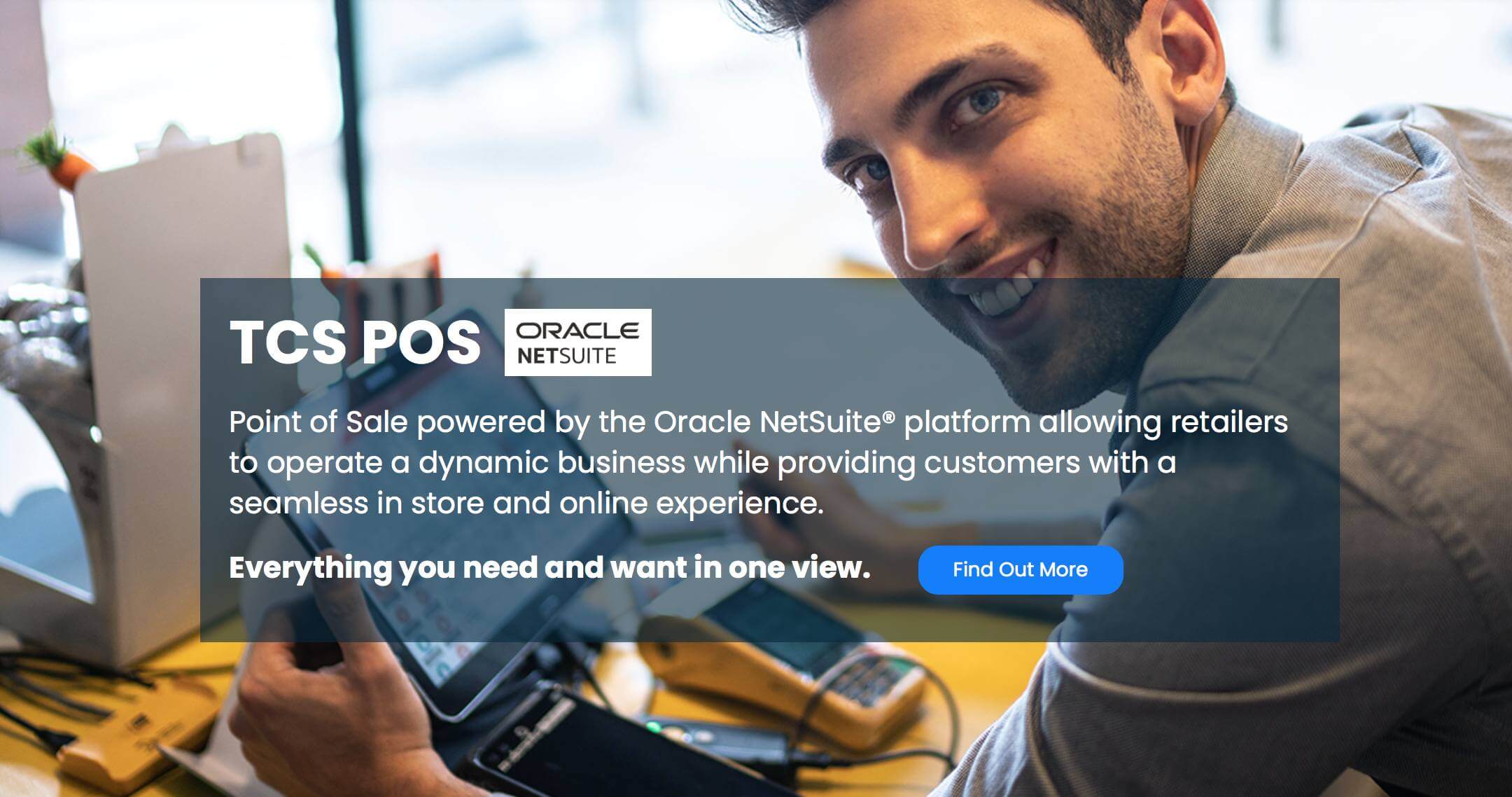
This is also where solutions like TCS POS for NetSuite come into play. By connecting point-of-sale operations directly to a retailer’s NetSuite environment, businesses get a single source of truth for inventory, orders, and customer information across every channel. Understanding the benefits of TCS POS for NetSuite starts with recognizing that agility isn’t just a mindset. It’s an operational capability, and the right technology foundation makes it possible.
2. The Evolution of Brick-and-Mortar Retail
Brick-and-mortar retail continues to reinvent itself. We’re seeing more “experiential” retail developments, where mixed-use spaces combine retail stores with restaurants, entertainment venues, apartment complexes, and hotels. These developments become full-fledged destinations, places where consumers can shop, eat, and catch a movie all in one visit. It’s all about adding value to the in-person shopping experience.
But experiential retail isn’t just about the physical space. It’s also about what happens at the counter. Shoppers expect the in-store experience to feel just as smooth as online shopping, which means retailers need strong product and customer management POS capabilities behind the scenes. A modern cloud POS system that recognizes returning customers, surfaces loyalty history, and checks inventory across locations in real time turns a simple transaction into part of the overall experience.
This is especially true for specialty and niche retailers. Take a bike store point of sale system as an example: a well-run bike shop isn’t just selling bicycles. It’s managing service appointments, parts inventory, rentals, and repeat customer relationships all at once. NetSuite POS for bike shops and similar specialty retail POS for bike stores solutions show how POS solutions for bike retailers can unify these moving pieces into one connected system, giving smaller specialty retailers the same operational polish as much larger chains.
3. The Growth of Small and Medium-Sized Retailers
The third trend is the continued growth of small and medium-sized retailers. A great example is the resurgence of independent bookstores in the United States. Back in 1995, Amazon.com sold its first book, the start of major disruption for the bookstore industry and a factor in the collapse of large chains like Borders. Over roughly the past decade, however, independent bookstores have made a strong comeback: the number of small, independent bookstores has grown by around 50 percent. As larger big-box retailers fail, more agile, smaller retailers are stepping in to fill that gap in demand, a trend we expect to continue impacting many retail categories.
What’s enabling this resurgence is access to enterprise-grade technology that used to be out of reach for smaller businesses. Cloud POS systems and cloud-based retail POS platforms have dramatically lowered the barrier to entry. A small or medium-sized retailer can now run an online POS system for retail alongside their physical storefront without needing a large IT department or a massive upfront investment. NetSuite POS benefits for retailers and the broader NetSuite POS advantages of unified commerce mean a growing bookstore, boutique, or specialty shop can manage inventory, sales, and customer relationships from the same platform a much larger retailer might use, just scaled to fit their size.
Did Augmented Reality Live Up to the Hype?
Scott: Any big surprises? Anything that was expected to be a big deal in 2025 but didn’t end up having much impact?
Benner: I wouldn’t call it a huge surprise, but augmented reality (AR) hasn’t had the impact many people expected over the past couple of years. There was a lot of hype around using AR in retail, especially in the furniture industry. I don’t think AR is dead by any means. It’s simply one of those strategic initiatives that can be difficult to implement well. Amazon remains one of the leaders in AR, and as they continue to invest and refine the experience, other retailers will likely be pushed to follow suit.
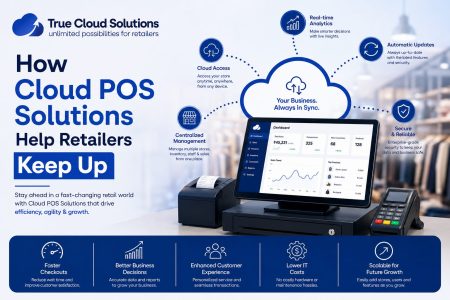
How Cloud POS Solutions Help Retailers Keep Up
Scott: You’ve mentioned technology a few times already. How big a role does the point-of-sale system itself play in helping retailers stay competitive?
Benner: It’s bigger than most people realize. For a long time, POS software was treated as a back-office utility, something that just needed to ring up sales. That’s changed completely. Today, POS software is one of the most strategic systems a retailer runs, because it sits at the intersection of inventory, customer data, and the checkout experience.
Why choose TCS POS for NetSuite is a question I hear often from retailers evaluating their options, and the answer usually comes down to integration. TCS POS Integrations connect the point-of-sale directly into a retailer’s NetSuite ERP, which eliminates the data silos that used to exist between the store floor and the back office. Instead of reconciling sales data at the end of the day or week, everything, including inventory levels, order history, and customer profiles, updates in real time.
Beyond the core POS Retail Solutions functionality, there are a few capabilities retailers should look for:
- Cloud POS features for NetSuite that keep the system running smoothly across multiple store locations, with centralized reporting and no on-premise servers to maintain.
- TCS NetSuite Customisation options, so the POS can be tailored to a retailer’s specific workflows rather than forcing the business to adapt to rigid, one-size-fits-all software.
- Cloud POS billing software that handles everything from split payments to subscriptions and recurring billing, which matters increasingly as retailers diversify their revenue models.
- NetSuite freight integration capabilities, including connectors like the SmartFreight connector for NetSuite, which automate shipping rate calculations and freight management directly within the retail workflow. This is a major time-saver for retailers that ship products to customers.
For retailers weighing their options, TCS POS Software and TCS POS for NetSuite are worth evaluating specifically because they’re built to extend NetSuite’s ERP rather than operate as a bolted-on, disconnected tool. That distinction matters a lot once a retailer starts scaling across multiple locations or channels.
Tariffs and Their Impact on Retail
Scott: Any major shifts in the industry? New developments from 2025 that turned out to be a big deal, new legislation, for example?
Benner: Global tariffs have been a major talking point. Depending on how trade relationships evolve, particularly with countries like China, tariffs could have a significant impact on the retail industry and on consumers overall. The National Retail Federation has been vocal about the potential negative effects of tariffs on retailers and shoppers alike. It’s something to watch closely in 2026, as it could meaningfully affect consumer spending and the broader retail landscape.
One thing I’d add is that retailers who have strong visibility into their supply chain and logistics costs are in a much better position to absorb or adapt to tariff-driven cost changes. This is another area where connected systems make a real difference. When freight, inventory, and sales data all live in the same platform, a retailer can model the impact of a cost increase and adjust pricing or sourcing strategy much faster than a business working off spreadsheets and disconnected systems. It’s one more example of how operational agility, which we talked about earlier, shows up in very practical ways.
FAQs: Retail Industry Trends in 2026
Q: What are the biggest retail trends for 2026?
A: The three biggest trends are retailers adopting a “think big, act small” mindset to stay agile, the continued evolution of brick-and-mortar into experiential, mixed-use destinations, and the ongoing growth of small and medium-sized retailers filling gaps left by struggling big-box chains.
Q: What does “thinking big, acting small” mean for retailers?
A: It means combining long-term strategic vision with the agility of a small business, responding quickly to shifting consumer demand and market conditions rather than moving slowly like a traditional large retailer.
Q: How is brick-and-mortar retail evolving?
A: Brick-and-mortar is shifting toward “experiential” retail, where stores are combined with restaurants, entertainment, housing, and hotels to create destinations rather than standalone shopping locations.
Q: Why are small and medium-sized retailers growing?
A: As large big-box chains close due to an inability to adapt quickly, smaller and more agile retailers are stepping in to meet consumer demand, a pattern clearly visible in the resurgence of independent bookstores over the last decade.
Q: Has augmented reality had a major impact on retail?
A: Not as much as initially expected. While AR adoption has been slower than predicted, especially outside categories like furniture, it isn’t disappearing. Retailers like Amazon continue to invest in it, which may push broader industry adoption over time.
Q: How might tariffs affect the retail industry in 2026?
A: Tariffs, particularly those involving trade with China, could raise costs for retailers and consumers alike. Organizations like the National Retail Federation continue to monitor and advocate on this issue, as it has the potential to significantly affect consumer spending.
Q: Who are Kelly Scott and Chris Benner?
A: Kelly Scott is NetSuite’s Industry Marketing Lead for Product Verticals, and Chris Benner is NetSuite’s Senior Industry Principal of Retail. Their conversation highlights key trends retail businesses should prepare for in 2026.
Q: What are the benefits of TCS POS for NetSuite?
A: TCS POS for NetSuite connects point-of-sale operations directly to a retailer’s NetSuite ERP, giving businesses real-time visibility into inventory, orders, and customer data across every channel. This eliminates data silos between the store floor and back office and supports the kind of agility smaller and mid-sized retailers need to compete.
Q: Why choose TCS POS for NetSuite over a standalone POS system?
A: Because it’s built to extend NetSuite rather than operate as a disconnected add-on. TCS POS Integrations sync sales, inventory, and customer records automatically, which matters most once a retailer scales across multiple locations or sales channels.
Q: What should retailers look for in a cloud POS system?
A: Key retail POS system features include real-time inventory visibility across locations, integrated customer and loyalty data, flexible billing options, mobile checkout, and the ability to customize workflows to the retailer’s specific business, all delivered through a cloud based POS system rather than on-premise servers.
Q: Can a cloud-based POS system work for specialty retailers like bike shops?
A: Yes. A bike store point of sale system needs to manage more than transactions. Service appointments, parts inventory, and repeat customer relationships all matter. Retail POS for bike stores and POS solutions for bike retailers built on platforms like NetSuite POS for bike shops give specialty retailers the same connected operations larger chains use, scaled to their size.
Q: What is the Smart Freight connector for NetSuite used for?
A: The Smart Freight NetSuite connector automates shipping rate calculations and freight management within a retailer’s NetSuite environment, streamlining the fulfillment process for retailers that ship products directly to customers.
Retail in 2026 belongs to businesses that can move quickly, whether that means adjusting to a shift in consumer demand, reimagining what a physical store can offer, or simply having the right technology in place to keep operations connected as the business grows. As Chris Benner’s insights make clear, the retailers who pair a big-picture strategy with small-business agility and back it up with the right systems are the ones best positioned to thrive.