
Marketing timing is one of those things retailers rarely think about until it goes wrong. A campaign that would normally perform well can fall completely flat, or worse, actively damage a brand, simply because it landed at the wrong moment. Tone deaf marketing messages that fail to read the room, like a wool themed fashion email blast hitting inboxes during a September heat wave, will fall flat no matter the broader economic climate.
Under normal circumstances, a mistimed email like that is mildly embarrassing. Customers roll their eyes, maybe unsubscribe, and the retailer moves on. But during a genuine crisis, such as a global health and financial solvency event like COVID-19, the same kind of message sounds like nails on a chalkboard to consumers. It can threaten a company’s brand equity long after the difficult period has passed, because customers remember who read the moment correctly and who did not.
This matters more for retailers than almost any other sector, since retail marketing is built on volume, frequency, and speed. A retailer sending weekly or even daily promotional messages has far more chances to get the timing wrong than a business that sends one campaign a quarter. Getting this right consistently requires more than good creative work. It requires paying attention to what is actually happening in customers’ lives, not just what is on the marketing calendar.
Why Tone-Deaf Messages Keep Happening
Most tone deaf marketing is not the result of a careless team. It usually happens because marketing calendars are planned weeks or months in advance, based on assumptions that seemed reasonable at the time. A wool campaign scheduled for early autumn makes sense on paper. The problem is that paper does not account for an unexpected heat wave, a local event, or a wider crisis unfolding in real time.
The gap between planning and reality is where most of these mistakes are born. A retailer that locks in content weeks ahead and does not revisit it before sending is far more likely to accidentally push a message that clashes badly with what customers are actually experiencing. This is not a creative failure. It is a process failure, and it can usually be fixed by paying closer attention to real time signals rather than relying purely on a fixed schedule.
When a Crisis Hits, the Stakes Get Much Higher
During ordinary conditions, a mistimed email is a minor misstep. During a crisis, the same mistake carries far more weight. COVID-19 offered plenty of examples of brands that kept sending upbeat, business as usual messaging while customers were dealing with job losses, health concerns, or lockdowns. Some of those brands recovered quickly. Others are still associated with that misstep years later.
The reason a crisis amplifies the damage comes down to context. Customers are more emotionally attuned during difficult periods, and they notice tone far more closely than usual. A promotional email that would barely register in normal times can feel jarring, even offensive, when it arrives at the wrong moment. Retailers who continue pushing standard promotional content without adjusting for what is actually happening risk being remembered for insensitivity long after the crisis itself has faded from memory.
Brand Equity Is Built Slowly and Lost Quickly
Brand equity takes years to build through consistent, reliable customer experiences. It can be damaged in a single afternoon by one poorly timed campaign that lands during the wrong moment. This asymmetry is exactly why retailers cannot treat marketing timing as a minor detail. The upside of getting it right is modest. The downside of getting it wrong, especially during a sensitive period, can be significant and long lasting.
This is where data becomes genuinely useful, not just for sales forecasting, but for protecting brand reputation. A retailer that understands real customer behaviour, not just assumed seasonal patterns, is far better placed to catch a mismatched campaign before it goes out. This is one of the underappreciated benefits of running a connected retail shop software setup, since accurate, real time sales and customer data gives a business a clearer picture of what is actually happening on the ground rather than relying purely on historical assumptions.
Using Real Data to Avoid Tone-Deaf Timing
A cloud based POS system tracks far more than transactions. It captures patterns in what customers are actually buying, when they are buying it, and how those patterns shift week to week. A retailer paying attention to this data would notice a sudden drop in demand for heavier clothing during an unseasonal heat wave well before a scheduled wool campaign went out, giving marketing teams a chance to pause or adjust the message before it damages the brand.
The same principle applies during a wider crisis. Retailers using retail POS system features such as customer purchase history and segmentation are better equipped to identify shifts in buying behaviour early, which gives them the information needed to adjust tone and messaging before customers start reacting negatively. This is one of the practical NetSuite POS benefits for retailers that often gets overlooked, since the value of good data extends well beyond stock control and into protecting how a brand is perceived.
Retailers exploring POS Retail Solutions built around real time reporting are, in effect, also investing in a safeguard against exactly this kind of marketing misstep. When sales and customer data update in real time rather than being reviewed weeks later, marketing teams have a genuine chance to catch a mismatched campaign before it reaches inboxes.
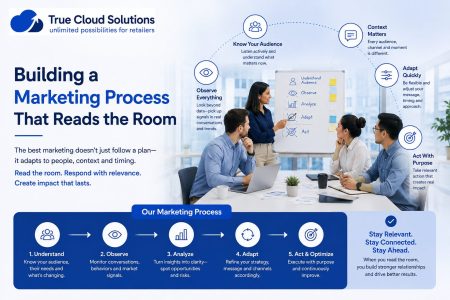
Building a Marketing Process That Reads the Room
Avoiding tone deaf messaging does not mean abandoning planning altogether. It means building a review step into the process that checks planned content against current conditions before it goes out. A few practical habits help here.
- Review scheduled campaigns against current weather, news, and local events shortly before sending, not weeks in advance.
- Give someone on the team explicit authority to pause or adjust a campaign at short notice if conditions change.
- Use actual sales and customer data, not last year’s calendar, to judge whether a message still fits what customers are experiencing.
- Keep a small backup message ready that can replace a scheduled campaign quickly if something does not feel right.
- After a crisis or unusual event, review what was sent and identify what should have been paused, so the same mistake is less likely to repeat.
None of these steps require large investments. They require a willingness to treat marketing timing as seriously as pricing or stock decisions, since the reputational cost of getting it wrong can be just as significant.
Final Thoughts
Retailers spend a great deal of time refining what they say to customers, but far less time considering when they say it. Tone deaf marketing rarely comes from bad intentions. It comes from a gap between what was planned and what is actually happening in customers’ lives at that exact moment. That gap grows dangerous during a genuine crisis, where the wrong message at the wrong time can damage brand equity for years. Retailers who pay close attention to real customer data, and who build in the flexibility to pause or adjust a campaign at short notice, are far better positioned to read the room correctly, even when circumstances shift with little warning.
Frequently Asked Questions
- What does it mean for a marketing message to be tone-deaf? It means the message fails to account for what customers are actually experiencing at that moment, such as promoting winter clothing during an unexpected heat wave or sending upbeat promotions during a crisis.
- Why does bad timing matter more for retailers than other businesses? Retail marketing tends to involve frequent, high volume messaging, which means there are far more opportunities for a message to land at the wrong moment compared to businesses that communicate less often.
- How does a crisis like COVID-19 change the impact of a mistimed campaign?
During a crisis, customers are more emotionally attuned and notice tone more closely, which means a message that would barely register in normal times can feel jarring or insensitive.
- Can brand equity really be damaged by a single email or campaign? Yes. While brand equity builds slowly over years of consistent experience, one badly timed campaign during a sensitive period can create a lasting negative impression that takes a long time to repair.
- How can retailers avoid sending tone-deaf marketing messages?
By reviewing scheduled content against current conditions shortly before it goes out, rather than relying purely on a marketing calendar set weeks or months in advance.
- What role does customer data play in avoiding these mistakes? Real time sales and customer data can reveal shifts in buying behaviour, such as a sudden drop in demand for a seasonal product, giving marketing teams early warning before a mismatched campaign is sent.
- Does this mean retailers should stop planning campaigns in advance? No. Planning remains useful, but it should include a final review step close to send time so planned content can be adjusted or paused if circumstances have changed.
- What should a retailer do if a campaign has already gone out and missed the mark?
Acknowledge it quickly, avoid compounding the mistake with a defensive response, and review the process afterward to understand how the misstep happened and how to prevent it next time.
- Are small or independent retailers at risk of this too, or is it mainly a big brand problem?
Any retailer that sends scheduled marketing content is at risk, regardless of size. Smaller retailers may actually have an advantage here, since they can often adjust plans more quickly than larger organisations.
- How does connected retail software help protect brand reputation, not just sales? By giving retailers accurate, real time visibility into customer behaviour, connected systems help marketing teams catch mismatched messaging before it damages trust, rather than finding out after customers have already reacted.